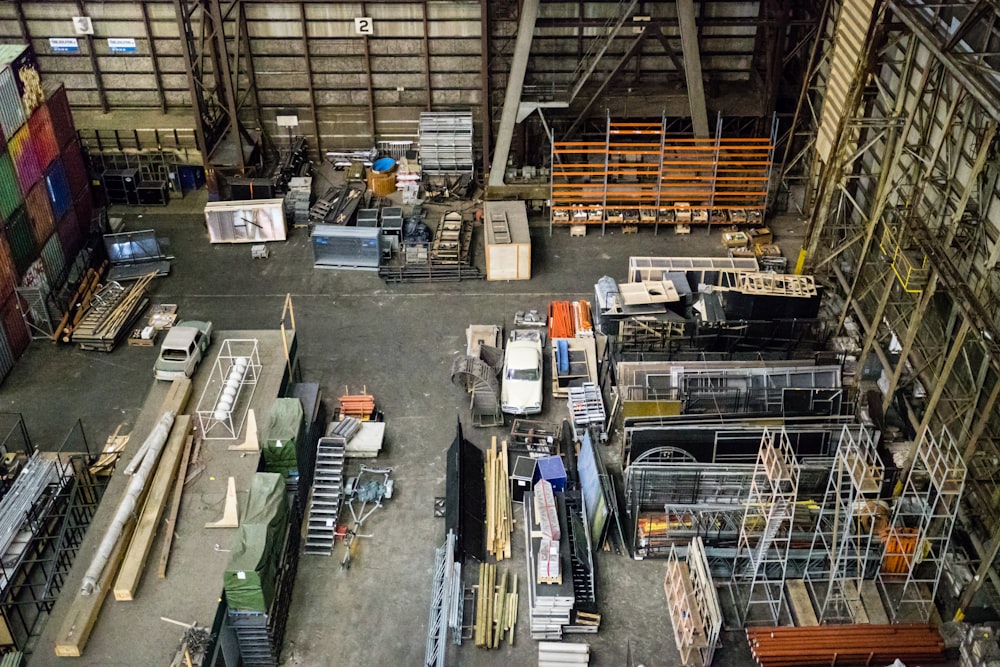

Efficient Batch Manufacturing Practices for Success

Efficient Batch Manufacturing Practices for Success

Efficient Batch Manufacturing Practices for Success

Efficient Batch Manufacturing Practices for Success

Efficiency in batch manufacturing is a cornerstone of success in the dynamic landscape of production. Navigating the intricacies of this method requires a strategic approach that integrates precision, optimization, and adaptability.

Strategic Planning for Batch Success

Batch manufacturing begins with meticulous strategic planning. Understanding the production requirements, setting clear goals, and mapping out the entire process is crucial. Strategic planning ensures that resources are allocated efficiently, minimizing waste and maximizing productivity.

Technology Integration for Precision

In the modern era, technology plays a pivotal role in achieving precision in batch manufacturing. Integrating advanced machinery, automation, and monitoring systems enhances accuracy and consistency. Technological tools contribute to maintaining stringent quality standards and streamlining production processes.

To explore deeper insights into efficient batch manufacturing practices, businesses can refer to Batch manufacturing. This link acts as a gateway to a repository of valuable information, offering guidance on best practices and emerging trends in batch manufacturing.

Optimizing Batch Size for Flexibility

One key advantage of batch manufacturing is its flexibility in adjusting batch sizes. Organizations can optimize batch sizes based on demand fluctuations, market trends, and production capabilities. This adaptability ensures that resources are used efficiently, preventing overproduction or underutilization.

Quality Control Measures for Consistency

Maintaining consistent quality is paramount in batch manufacturing. Implementing robust quality control measures at every stage of the production process is essential. Inspection, testing, and adherence to quality standards contribute to the reliability of each batch, ensuring customer satisfaction and brand integrity.

Supply Chain Coordination for Seamless Flow

Efficient batch manufacturing extends beyond the production floor to supply chain coordination. Collaborating with suppliers, optimizing logistics, and synchronizing the supply chain processes contribute to a seamless flow of materials. This coordination minimizes delays, reduces lead times, and enhances overall operational efficiency.

Employee Training and Cross-functional Collaboration

A skilled and collaborative workforce is fundamental to successful batch manufacturing. Employee training programs ensure that workers are proficient in operating equipment, following protocols, and contributing to a culture of continuous improvement. Cross-functional collaboration fosters a cohesive environment where teams work together seamlessly.

Adaptable Production Scheduling

Adaptability in production scheduling is a key strategy for efficient batch manufacturing. Unforeseen changes in demand or supply chain disruptions require the ability to adjust quickly. An adaptable production scheduling approach allows organizations to respond dynamically, optimizing production schedules for maximum efficiency.

Environmental Considerations in Batch Processes

As sustainability becomes a crucial focus, batch manufacturing processes should also consider environmental implications. Evaluating energy consumption, waste management, and eco-friendly practices contribute to responsible manufacturing. Adhering to environmentally conscious practices aligns with market expectations and regulatory standards.

Continuous Improvement Mindset

An enduring commitment to a continuous improvement mindset is essential in batch manufacturing. Regularly evaluating processes, seeking innovative solutions, and learning from experiences contribute to ongoing optimization. The journey towards efficiency is not a one-time effort but a continuous evolution.

In the intricate dance of batch manufacturing, precision, adaptability, and quality control are the guiding principles. By embracing strategic planning, leveraging technology, and fostering

Read Full News
Supply Chain Mastery Optimizing Manufacturing Logistics

Supply Chain Mastery Optimizing Manufacturing Logistics

Supply Chain Mastery Optimizing Manufacturing Logistics

Supply Chain Mastery: Optimizing Manufacturing Logistics

Efficient supply chain management is the backbone of successful manufacturing operations. Navigating the complex web of logistics requires a strategic approach that goes beyond mere coordination. Let’s unravel the layers of supply chain management in manufacturing and explore how it acts as a linchpin for operational success.

Strategic Planning: Blueprint for Efficiency

At the heart of effective supply chain management is strategic planning. This involves mapping out the entire manufacturing logistics process, from sourcing raw materials to delivering finished products. A well-defined blueprint ensures that each step aligns with overall business goals, setting the stage for efficiency and responsiveness.

Supplier Relationship Management: Collaborative Partnerships

Manufacturing success begins with strong relationships with suppliers. Supplier Relationship Management (SRM) is more than transactional; it’s about cultivating collaborative partnerships. Open communication, transparency, and mutual understanding are vital components that create a seamless flow of materials into the manufacturing pipeline.

Inventory Optimization: Balancing Act

Balancing inventory is a delicate act in supply chain management. Too much can lead to excess holding costs, while too little can disrupt production. Inventory optimization involves using data analytics to strike the right balance. Advanced forecasting techniques and real-time monitoring contribute to maintaining optimal inventory levels.

Technology Integration: The Digital Advantage

In the era of Industry 4.0, technology is a game-changer for supply chain management. Integrating digital solutions, such as RFID tracking, IoT sensors, and advanced analytics, provides real-time visibility into the entire supply chain. This digital advantage enhances decision-making, minimizes disruptions, and creates a more agile and responsive manufacturing process.

Explore advanced Supply Chain Management solutions at Reltix.net. The platform offers insights into cutting-edge technologies shaping manufacturing logistics.

Logistics and Distribution: Streamlining Movement

Efficient logistics and distribution are critical components of supply chain mastery. Streamlining the movement of goods from manufacturing facilities to distribution centers and eventually to customers requires precision. Utilizing advanced routing algorithms, GPS tracking, and automated sorting systems contribute to optimizing this crucial aspect of the supply chain.

Risk Management: Preparing for the Unforeseen

In the dynamic landscape of manufacturing, risks are inevitable. From natural disasters to geopolitical events, supply chain disruptions can have far-reaching consequences. Effective supply chain management involves proactive risk management strategies. This includes diversifying suppliers, creating contingency plans, and staying informed about potential threats.

Sustainability Practices: Beyond Efficiency

Sustainability is no longer an optional consideration; it’s a core element of modern supply chain management. Manufacturers are increasingly embracing eco-friendly practices, from selecting sustainable materials to optimizing transportation routes for reduced carbon footprint. Sustainable supply chain practices not only align with corporate responsibility but also resonate with environmentally conscious consumers.

Collaborative Forecasting: A Unified Vision

Supply chain success is intertwined with accurate forecasting. Collaborative forecasting involves aligning the perspectives of different departments within an organization. Sales, marketing, and production teams working in harmony contribute to a unified vision. This collaborative approach ensures that the supply chain is synchronized with market demands and business goals.

Continuous Improvement: Kaizen in Action

The Kaizen philosophy, rooted in continuous improvement,

Read Full News
Mastering Efficiency A Guide to Production Control

Mastering Efficiency A Guide to Production Control

Mastering Efficiency A Guide to Production Control

Mastering Efficiency: A Guide to Production Control

Efficiency in production is more than just a goal; it’s an ongoing endeavor that requires meticulous planning, coordination, and adaptability. In this guide, we explore the essential aspects of production control and how businesses can master efficiency in their manufacturing processes.

Strategic Planning for Seamless Operations

Production control begins with strategic planning. This involves forecasting demand, setting production goals, and creating a roadmap for the entire manufacturing process. By aligning production schedules with market demands, businesses can avoid overproduction or stockouts, ensuring a smooth and efficient workflow.

Real-time Monitoring and Adaptive Adjustments

In the fast-paced world of manufacturing, real-time monitoring is a game-changer. Utilizing advanced technologies and sensors, businesses can monitor production processes in real-time. This allows for immediate identification of potential bottlenecks or deviations from the plan, enabling adaptive adjustments to maintain optimal efficiency.

Inventory Management and Supply Chain Coordination

Effective production control extends beyond the shop floor to encompass inventory management and supply chain coordination. Maintaining optimal inventory levels, sourcing raw materials efficiently, and collaborating with suppliers are crucial components. A well-coordinated supply chain ensures that production flows seamlessly without interruptions.

Quality Control Measures for Consistency

Ensuring product quality is a central objective of production control. Implementing stringent quality control measures at every stage of production is vital. From raw material inspection to final product testing, maintaining consistent quality standards not only satisfies customers but also minimizes rework and associated costs.

Demand-Driven Production Strategies

Production control strategies should align with actual demand. Implementing a demand-driven approach ensures that production is responsive to market fluctuations. By using real-time data and market insights, businesses can adjust production volumes and schedules to meet changing customer demands effectively.

Employee Training and Cross-Functional Collaboration

Efficient production control is not solely reliant on machinery; it requires a skilled and collaborative workforce. Employee training programs ensure that workers are adept at using production control tools and understanding their role in the overall process. Cross-functional collaboration fosters a cohesive working environment, where teams work together seamlessly.

Utilizing Technology for Precision

Technology plays a pivotal role in production control. Advanced software, automation, and data analytics contribute to precision and efficiency. By embracing technological advancements, businesses can optimize production scheduling, monitor equipment performance, and make data-driven decisions for continuous improvement.

To delve deeper into the world of production control, businesses can explore valuable insights and resources at Production control. This link leads to a hub of information on best practices, case studies, and the latest trends in production control, providing a comprehensive guide for businesses striving for efficiency.

Adaptive Capacity Planning

An essential aspect of production control is capacity planning. By understanding production capacities and potential constraints, businesses can make informed decisions about scaling operations. Adaptive capacity planning ensures that production is aligned with demand, preventing underutilization or overextension of resources.

Risk Management Strategies in Production Control

Mitigating risks is integral to efficient production control. Identifying potential risks, such as supply chain disruptions or equipment failures, allows businesses to implement

Read Full News
Synchronized Efficiency Mastering Production Scheduling

Synchronized Efficiency Mastering Production Scheduling

Synchronized Efficiency Mastering Production Scheduling

Synchronized Efficiency: Mastering Production Scheduling

Welcome to the heart of operational efficiency – production scheduling. In the intricate dance of manufacturing, where every move counts, production scheduling emerges as the choreographer, orchestrating a symphony of tasks to ensure seamless operations and optimal resource utilization.

Strategic Planning: The Backbone of Production Scheduling

At the nucleus of production scheduling lies strategic planning. It’s not just about setting dates and times; it’s about aligning production with overarching business goals. Strategic planning involves assessing demand, optimizing resources, and ensuring that every aspect of production aligns with the organization’s broader objectives.

Real-Time Adaptability: Navigating Dynamic Production Environments

In the fast-paced world of manufacturing, static plans quickly become obsolete. Production scheduling excels in real-time adaptability. Whether it’s a sudden change in demand, machine breakdowns, or unexpected delays, the system adjusts on the fly, ensuring that operations remain fluid and responsive to dynamic conditions.

Resource Optimization: Balancing Act of Efficiency

Resource optimization is the hallmark of effective production scheduling. It’s about striking the perfect balance – not overloading machines, ensuring workforce efficiency, and minimizing idle time. The scheduler considers the entire production ecosystem, orchestrating a dance where resources are utilized to their fullest potential without creating bottlenecks.

Lean Principles: Minimizing Waste, Maximizing Value

Production scheduling adopts lean principles, minimizing waste and maximizing value. By streamlining processes, reducing setup times, and optimizing batch sizes, the system ensures that every moment on the production floor adds tangible value. This commitment to lean practices aligns with the pursuit of operational excellence.

Just-In-Time Manufacturing: Precision Timing for Efficiency

Just-In-Time (JIT) manufacturing is the heartbeat of production scheduling. It’s about precision timing – ensuring that materials arrive exactly when needed, minimizing inventory holding costs, and reducing the risk of overproduction. JIT principles synchronize production with demand, creating a lean and efficient manufacturing environment.

Integration of Technology: The Digital Advantage

In the digital age, production scheduling leverages advanced technologies. From sophisticated algorithms to Artificial Intelligence (AI), the system crunches vast amounts of data to make informed decisions. Automation ensures that repetitive tasks are handled seamlessly, allowing human resources to focus on strategic and creative aspects of scheduling.

Communication and Collaboration: Breaking Silos

Effective communication and collaboration are the pillars of successful production scheduling. The system breaks down silos, ensuring that departments work in tandem. From sales forecasting to inventory management, each segment of the organization contributes to a cohesive production plan, fostering synergy and alignment.

Strategic Sequencing: The Art of Order

In the intricate world of production, the order of operations matters. Strategic sequencing is the art of determining the optimal order in which tasks are performed. It considers dependencies, machine capabilities, and efficiency to create a sequence that maximizes throughput and minimizes idle time.

Explore Precision Scheduling at reltix.net

To delve deeper into the world of production scheduling and explore the latest insights, strategies, and discussions, visit reltix.net. This online platform serves as a central hub for organizations seeking to master the art of synchronized efficiency through effective production scheduling. Stay

Read Full News
Discover Local Business Networking Events Near You

Discover Local Business Networking Events Near You

Discover Local Business Networking Events Near You

Unlocking Opportunities: Navigating Local Business Networking Events

In the dynamic landscape of business, networking has proven to be a vital tool for growth and success. Attending local business networking events offers a unique opportunity to connect with like-minded professionals, share insights, and forge valuable partnerships. Let’s delve into the world of business networking and explore how these events can be a game-changer for your career or business.

The Power of Proximity: Why Local Networking Matters

Local business networking events provide a strategic advantage by bringing professionals together within the same geographic area. The power of proximity fosters more meaningful connections, as attendees often share similar market conditions, challenges, and opportunities. Being part of a local network allows for easier collaboration, information exchange, and a sense of community support.

Diverse Networking Formats for Varied Interactions

Business networking events come in various formats, catering to different preferences and objectives. From traditional meet-and-greet sessions to industry-specific conferences and workshops, the options are diverse. These events create environments conducive to different types of interactions, enabling participants to choose the format that best aligns with their networking goals.

Maximizing Exposure: Leveraging Local Networking Platforms

In the digital age, finding relevant local business networking events has become more accessible. Online platforms curate event listings, making it easier to discover opportunities near you. Business Networking Events Near Me is a valuable resource that connects professionals with local events, ensuring you stay informed about gatherings that align with your interests and industry.

Strategic Planning: Making the Most of Networking Opportunities

Attending business networking events requires strategic planning to ensure maximum benefit. Set clear goals for each event, whether it’s expanding your professional network, gaining industry insights, or seeking potential business partners. Research speakers, attendees, and event agendas in advance to make informed decisions about where to invest your time and energy.

Crafting an Elevator Pitch: Your Key to Memorable Introductions

At networking events, first impressions are crucial. Crafting a compelling elevator pitch is essential for introducing yourself and your business succinctly and memorably. Clearly articulate what you do, what sets you apart, and what you’re seeking from the networking experience. A well-crafted pitch can spark interest and initiate meaningful conversations.

Active Listening: The Cornerstone of Meaningful Connections

Effective networking goes beyond self-promotion; it involves active listening. Engage in conversations with a genuine interest in others’ experiences and insights. Ask open-ended questions, listen attentively, and find common ground. Building connections based on mutual understanding fosters long-lasting and mutually beneficial relationships.

Follow-Up: Cementing Connections Beyond the Event

The real value of networking events often emerges in the post-event phase. Following up with new contacts demonstrates sincerity and commitment to building lasting connections. Connect on professional networking platforms, send personalized emails, or schedule one-on-one meetings to explore potential collaborations or discuss shared interests further.

Feedback Loop: Continuous Improvement in Networking Skills

Reflecting on your networking experiences is crucial for continuous improvement. Evaluate what worked well and areas that could be enhanced. Attendees can leverage feedback loops to refine their networking skills,

Read Full News
Optimizing Manufacturing Inventory for Efficiency

Optimizing Manufacturing Inventory for Efficiency

Optimizing Manufacturing Inventory for Efficiency

Optimizing Manufacturing Inventory for Efficiency

Efficient inventory management is the linchpin of successful manufacturing operations. In this exploration, we delve into the nuances of inventory management in manufacturing and unveil strategies for optimal efficiency.

Strategic Inventory Planning

At the heart of effective inventory management lies strategic planning. Manufacturers must meticulously analyze demand patterns, market trends, and production lead times to determine optimal inventory levels. This strategic foresight ensures that stock aligns with actual demand, preventing overstocking or shortages.

Real-time Tracking and Visibility

Modern manufacturing thrives on real-time data, and inventory management is no exception. Utilizing advanced tracking systems, businesses gain real-time visibility into inventory levels, movement, and trends. This real-time data empowers manufacturers to make informed decisions, swiftly adapt to changes, and maintain a lean and responsive inventory.

ABC Analysis for Prioritization

Not all inventory items are created equal. ABC analysis categorizes items based on their importance and contribution to overall manufacturing efficiency. “A” items, representing high-value and high-demand products, receive heightened attention, ensuring that resources are allocated appropriately for maximum impact.

Just-in-Time (JIT) Inventory Systems

The JIT approach is a cornerstone of efficient inventory management in manufacturing. By receiving goods or materials just in time for production, businesses minimize storage costs and reduce the risk of holding excess inventory. JIT systems streamline processes, improve cash flow, and contribute to overall operational efficiency.

Supplier Collaboration and Communication

Smooth inventory management extends beyond the factory walls to include suppliers. Collaborative relationships with suppliers facilitate effective communication and coordination. Timely information about order quantities, lead times, and changes in demand allows for proactive adjustments, preventing disruptions in the supply chain.

To gain deeper insights into optimizing manufacturing inventory, businesses can explore resources at Inventory management in manufacturing. This link serves as a gateway to valuable information, offering a comprehensive guide to best practices and emerging trends in inventory management within the manufacturing sector.

Data-driven Demand Forecasting

In the era of data analytics, forecasting demand has evolved into a science. Leveraging historical data, market trends, and predictive analytics, manufacturers can enhance the accuracy of their demand forecasts. This data-driven approach minimizes the likelihood of stockouts or excess inventory, striking a balance that optimizes resources.

Batch and Lot Control

Manufacturers dealing with diverse products often implement batch and lot control strategies. This involves assigning unique identifiers to specific production batches or lots, enabling traceability. This meticulous control not only ensures product quality and compliance but also facilitates targeted recalls in the rare event of quality issues.

Warehouse Organization and Layout Optimization

The physical layout of a warehouse directly impacts inventory management efficiency. Well-organized warehouses with logically structured layouts minimize picking times, reduce errors, and enhance overall operational flow. Employing technology, such as barcode systems, further streamlines warehouse processes for accuracy and speed.

Continuous Evaluation and Improvement

Efficient inventory management is a dynamic process that requires continuous evaluation. Regular reviews of inventory turnover rates, stockouts, and holding costs provide insights into the effectiveness of existing strategies. This ongoing evaluation enables manufacturers to adapt to

Read Full News