Conscious Parenting Global Market Insights

Are you seeking a more connected and fulfilling relationship with your children? Do you want to raise emotionally intelligent and resilient individuals? Then you’ve likely come across the term Conscious Parenting. It’s more than just a trend; it’s a paradigm shift in how we approach raising the next generation.

Key Takeaways:

  • Conscious Parenting centers on being present and aware in your interactions with your children, fostering a deeper connection built on understanding and empathy.
  • It involves self-reflection and addressing your own emotional baggage to avoid projecting it onto your children.
  • Practical applications of Conscious Parenting include active listening, setting healthy boundaries, and encouraging children’s autonomy.
  • The benefits extend beyond the parent-child relationship, contributing to a more harmonious and emotionally intelligent family dynamic.

Understanding the Core Principles of Conscious Parenting

Conscious Parenting is a philosophy that moves away from traditional, often authoritarian, parenting styles. Instead of focusing solely on obedience and control, it emphasizes building a strong, loving relationship with your child based on mutual respect and understanding. At its heart, Conscious Parenting encourages parents to be fully present and aware in their interactions with their children. This means paying attention to your child’s needs, both spoken and unspoken, and responding with empathy and compassion. It also involves understanding your own emotional triggers and how they might affect your parenting choices. By becoming more self-aware, you can avoid projecting your own anxieties, fears, and past traumas onto your children.

A central tenet of Conscious Parenting is viewing children as unique individuals with their own thoughts, feelings, and perspectives. It’s about honoring their individuality and supporting their growth into authentic, self-assured individuals. This approach shifts the focus from simply dictating behavior to guiding children to make their own responsible choices, fostering a sense of autonomy and self-reliance. We can achieve by creating a safe and supportive environment where children feel comfortable expressing themselves and exploring their interests without fear of judgment.

The Profound Benefits of Conscious Parenting

The advantages of Conscious Parenting extend far beyond simply improving behavior. It fosters a deeper connection between parent and child, creating a foundation of trust and mutual respect. When children feel understood and valued, they are more likely to cooperate and communicate openly. This, in turn, reduces conflict and strengthens the parent-child bond. Children raised with Conscious Parenting principles tend to develop higher levels of emotional intelligence. They learn to recognize, understand, and manage their own emotions, as well as empathize with the feelings of others. This emotional literacy is crucial for building healthy relationships, navigating social situations, and achieving overall well-being.

Furthermore, Conscious Parenting promotes resilience in children. By encouraging them to explore their interests, make their own decisions (within appropriate boundaries), and learn from their mistakes, parents empower their children to bounce back from challenges and setbacks. This builds confidence and a sense of self-efficacy, preparing them to face the complexities of life with courage and determination. When we as parents model healthy emotional regulation and self-awareness, we equip our children with

Read Full News

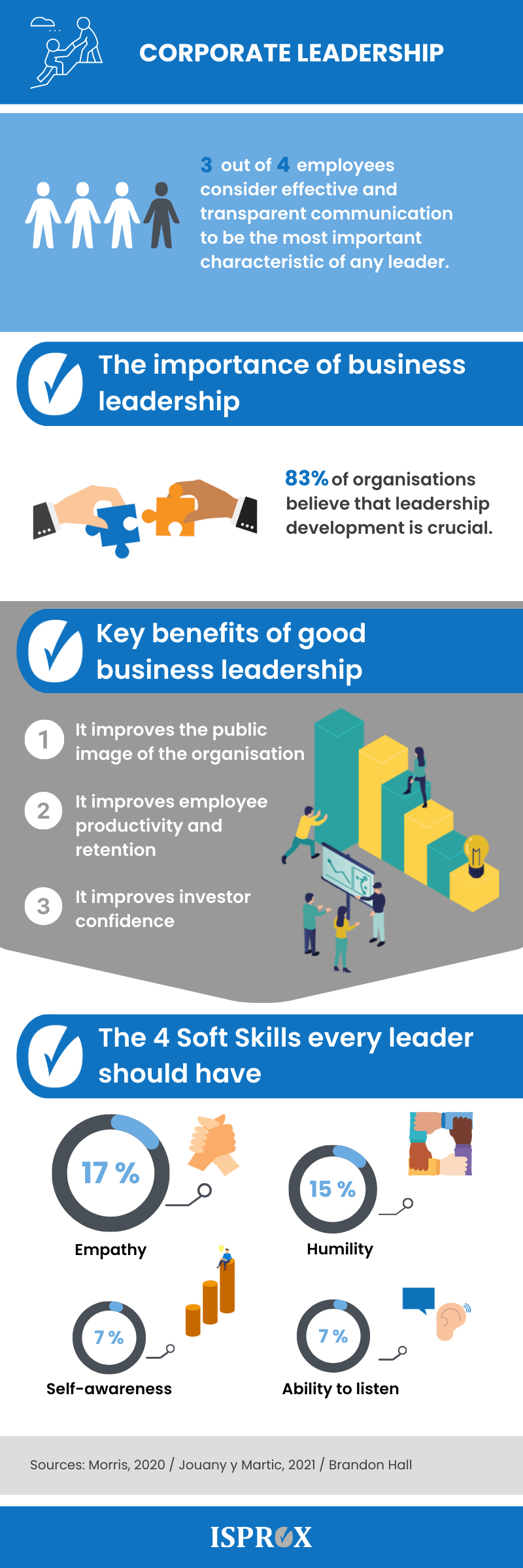
Cultivating Leaders: Business Leadership Development

Nurturing Success: The Essence of Business Leadership Development

In the dynamic landscape of business, leadership development stands as a cornerstone for organizational success. This article delves into the significance of cultivating effective leaders, the key components of business leadership development, and how it contributes to the growth and resilience of enterprises.

The Crucial Role of Effective Leadership

Effective leadership is instrumental in steering organizations toward their goals. Business leaders set the vision, inspire teams, and navigate through challenges. Leadership development goes beyond merely occupying positions; it aims to foster qualities such as communication, adaptability, strategic thinking, and empathy – qualities essential for leaders to thrive in a complex and ever-changing business environment.

Strategic Leadership Development Programs

Business leadership development involves structured programs designed to enhance leadership skills at various organizational levels. These programs often include workshops, seminars, coaching sessions, and mentorship programs. Strategic leadership development initiatives are tailored to address specific needs, aligning with the organization’s goals and the evolving landscape of the business world.

Identifying and Nurturing Talent

One key aspect of business leadership development is identifying and nurturing leadership potential within the organization. Identifying individuals with the aptitude for leadership early on allows for targeted development efforts. Nurturing talent involves providing opportunities for skill-building, exposure to leadership responsibilities, and mentorship to help emerging leaders flourish.

Cultivating a Leadership Mindset

Successful leaders possess a unique mindset characterized by resilience, adaptability, and a commitment to continuous learning. Business leadership development focuses on cultivating this mindset within individuals. It involves instilling a growth-oriented perspective, fostering a willingness to take calculated risks, and encouraging leaders to embrace challenges as opportunities for growth.

Emphasizing Emotional Intelligence

In the realm of leadership, emotional intelligence is a game-changer. Leaders with high emotional intelligence can navigate interpersonal dynamics, build strong relationships, and effectively manage teams. Business leadership development places significant emphasis on enhancing emotional intelligence, recognizing its pivotal role in effective leadership and organizational success.

Encouraging Diversity and Inclusion

Modern leadership extends beyond traditional models, emphasizing the importance of diversity and inclusion. Business leadership development programs strive to create inclusive environments by acknowledging and celebrating diversity. Leaders are trained to appreciate different perspectives, foster an inclusive culture, and harness the strengths that diverse teams bring to the table.

Adapting to Technological Advancements

The business landscape is evolving rapidly due to technological advancements. Business leadership development must adapt to this change by incorporating a tech-savvy approach. Leaders need to be equipped with digital literacy, an understanding of emerging technologies, and the ability to lead teams in leveraging these technologies for business growth.

Measuring and Evaluating Leadership Effectiveness

An integral part of business leadership development is the continuous assessment of leadership effectiveness. Various metrics, including employee satisfaction, team performance, and organizational growth, are used to gauge the impact of leadership development initiatives. Regular evaluations ensure that leadership strategies remain aligned with the organization’s objectives.

To explore more about the essence of Business Leadership Development and its transformative impact on organizations, visit Business Leadership Development. From strategic programs

Read Full News