


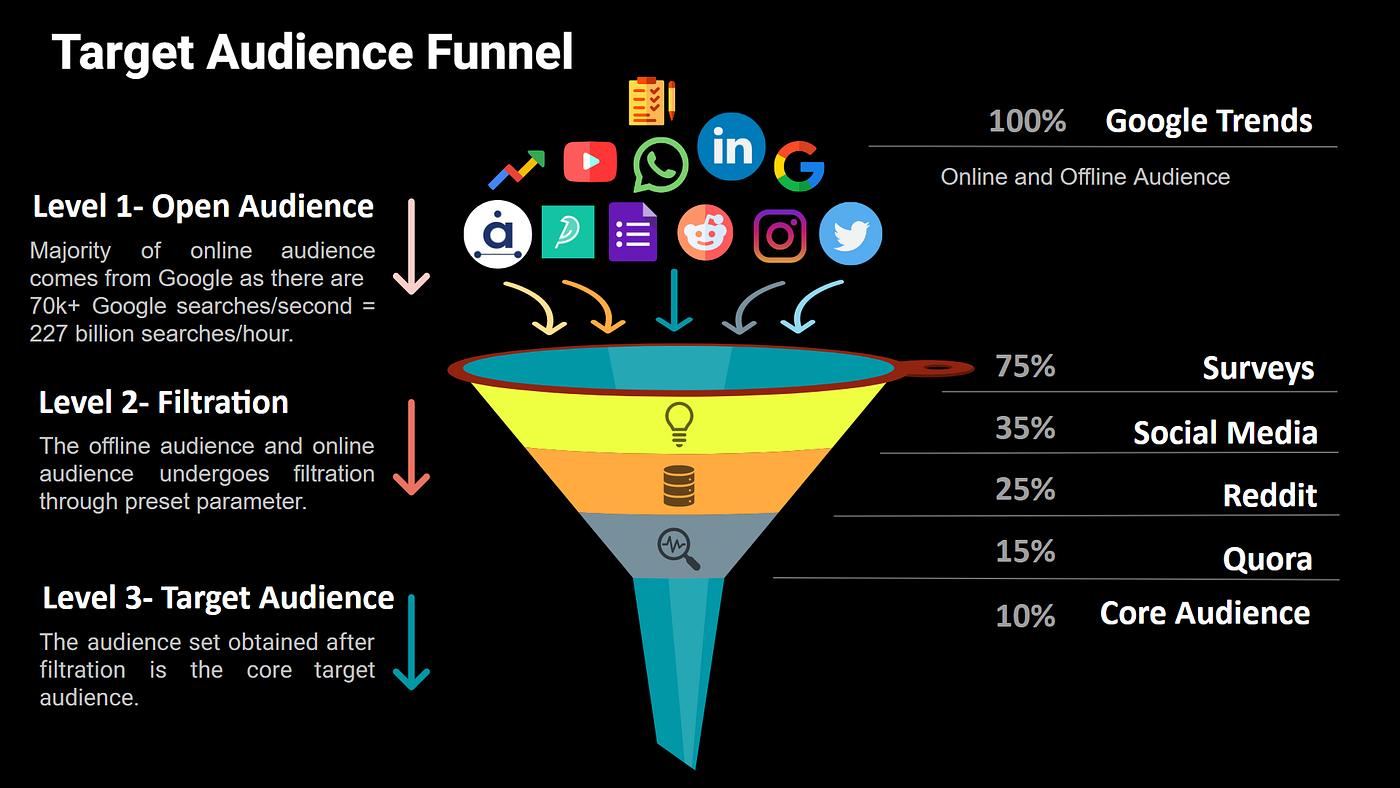
In today’s digital landscape, reaching the right people at the right time is paramount for any successful marketing endeavor. Online audience targeting is the strategic process of identifying and segmenting specific groups of internet users based on various attributes, ensuring that marketing messages are delivered to those most likely to be interested in a product or service. This precision not only maximizes the effectiveness of advertising spend but also enhances the user experience by delivering relevant content. Moving beyond broad-brush approaches, effective targeting leverages sophisticated tools and data analysis to carve out niche audiences from the vast online population.

Overview
- Effective online audience targeting begins with robust data collection and analysis, including first-party and third-party data.
- Understanding demographic, psychographic, and behavioral attributes allows for the creation of detailed audience segments.
- Leveraging intent signals and user activity provides deeper insights into purchase readiness and interests.
- Different digital platforms offer unique targeting capabilities that should be utilized strategically for varied campaigns.
- Personalization and retargeting campaigns are crucial for re-engaging warm leads and converting interested users.
- Ongoing monitoring, A/B testing, and optimization are essential for continuously refining targeting strategies.
Leveraging Data for Precise Online Audience Targeting
At the core of effective online audience targeting is the intelligent use of data. Marketers collect and analyze various types of data to build detailed profiles of potential customers. First-party data, gathered directly from a company’s own websites, CRM systems, and customer interactions, is incredibly valuable because it represents actual engagement with the brand. This includes purchase history, website visits, email opens, and app usage. Combining this with third-party data, which is collected by external entities and aggregated across various sources (like demographic information, lifestyle details, or broader behavioral patterns), paints a more complete picture. For instance, a retailer might use their first-party sales data to identify frequent buyers and then use third-party data to understand their broader interests in the US market, like hobbies or media consumption. Advanced analytics tools help identify patterns and create lookalike audiences – groups of users who share characteristics with existing high-value customers but haven’t yet interacted with the brand. This data-driven approach allows for segmentation based on age, gender, location, income, education, and even device usage, ensuring that advertisements are shown to individuals who fit predefined criteria.
Behavioral and Psychographic Approaches to Online Audience Targeting
Beyond basic demographics, behavioral and psychographic targeting delve into how and why people interact online and what motivates their decisions. Behavioral targeting focuses on user actions, such as websites visited, content consumed, search queries made, products viewed, or items added to a shopping cart. For example, someone frequently searching for “eco-friendly cleaning products” is exhibiting a clear interest that can be targeted. Psychographic targeting, on the other hand, examines users’ psychological attributes, including their values, attitudes, interests, lifestyles, and personality traits. This allows for a more nuanced understanding of an audience’s motivations and preferences. For instance, a brand selling outdoor gear might target individuals who show interest in adventure travel blogs or follow environmental causes, indicating a lifestyle aligned with their products. By combining these approaches, marketers can create incredibly specific segments, such as “environmentally conscious young professionals living in urban areas who regularly research sustainable fashion.” This depth of understanding helps in crafting messages that resonate personally with the audience.
Platform-Specific Strategies for Online Audience Targeting
The effectiveness of online audience targeting also depends heavily on understanding the unique capabilities and user bases of different digital platforms. Each platform, from social media giants like Facebook, Instagram, and LinkedIn to search engines like Google and video platforms like YouTube, offers distinct targeting options. Social media platforms excel in psychographic and interest-based targeting, allowing advertisers to reach users based on their declared interests, groups they join, pages they follow, and even life events. For example, LinkedIn is ideal for B2B targeting, allowing segmentation by job title, industry, company size, and professional skills. Google Ads, conversely, is powerful for intent-based targeting through keywords, allowing businesses to reach users actively searching for specific products or services. Display networks offer contextual targeting (placing ads on relevant websites) and topic-based targeting. Understanding which platforms host specific audience segments and tailoring targeting parameters to each platform’s strengths is crucial for optimizing campaign performance and reaching desired users effectively.
Personalization and Retargeting in Online Audience Targeting
Once an audience is targeted, the next step is to deliver a highly personalized experience and continuously re-engage them. Personalization in online audience targeting involves customizing messages, offers, and content based on individual user data and past interactions. This could mean showing recommended products based on previous purchases or browsing history, or displaying localized content. This goes beyond simply using a customer’s name; it’s about delivering genuinely relevant information. Retargeting (or remarketing) is a powerful method where ads are shown specifically to users who have previously interacted with a brand’s website or app but did not complete a desired action, such as a purchase. If a user added items to a shopping cart but abandoned it, a retargeting campaign can present them with an ad for those exact items, perhaps with a special offer, encouraging them to complete the transaction. This strategy taps into existing interest, making it highly efficient. Implementing dynamic creative optimization, which automatically adjusts ad content based on user data, further enhances personalization, leading to significantly higher engagement and conversion rates.